Preserve the moment.
Keep the original file, field note, capture and receipt times, location basis, contributor reference and permissions. Offline capture and later sync are part of the app design.
Landfall products
Open a flood observation in Platform, match it to locations in Data, or retrieve the same finding through Connect. Each route keeps the original photo or video, capture time and review history together.
Explore the products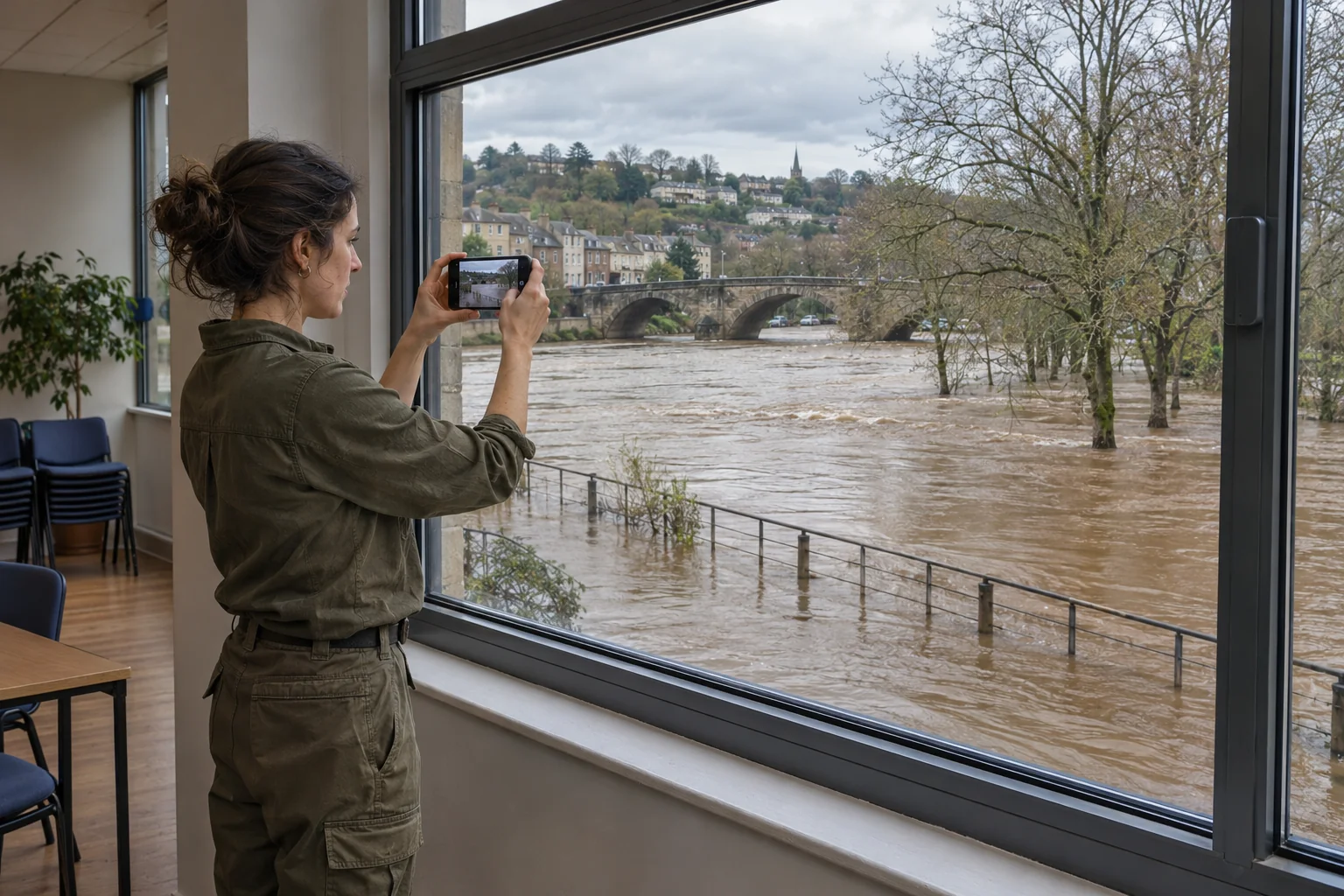
Landfall Platform · Product concept
Explore observations by place, time and event. Open the original image, inspect related sources and see the review history behind a finding.
Keep the finding, original image and source history together during an event review or assessment.
Explore customer outputsCaptured 14:10:08 · Received 14:47:12
Landfall Data · Product concept
Join the release to insured locations, a servicing portfolio or a model footprint. Each row carries a finding, capture time and source reference so an analyst can reopen the evidence behind a match.
Each release defines its geography, observation window, coverage and permitted uses.
Download the sample CSVIllustrative schema and fictional data.
Landfall Connect · API & MCP in development
Connect is the integration layer: API retrieval for customer systems and MCP retrieval for approved AI tools. Both carry the authorised record and its source references.
Access permissions and source references follow the record into each integration.
Discuss an integration“Show the observations behind the harbour-road finding.”
Integration design example.
Capture workflow · In development
Provenance is the history of the evidence: who or what created it, the recorded time and place, and how it reached the customer.
Landfall’s contributor workflow starts with a photo or video created inside the app. Authorised cameras and sensors enter through their own documented source routes.
Photo and video capture begin inside the app. Existing files from other origins follow a separately identified source route.
Keep the original photo or video and its capture identifier. A field note adds what the contributor observed.
Record the app and device context, capture time, location method and accuracy, contributor reference and permissions.
Record capture, upload and receipt separately. Keep file-integrity references and the history of each transfer, including later sync.
Inspect origin, integrity, time, place, permissions and duplicates. Link AI-proposed findings to reviewer checks and the original.
Deliver the permitted original, finding, source history and review status together in a versioned record.
What the customer receives
Open the original photo or video, its capture and receipt times, location basis, completed check results and review history. Trace the finding to the source.
Explore Platform, Data & ConnectIntegrity checks track file changes. Source checks examine origin and context. Each finding retains the checks performed and their outcomes.
Mobile sensing, computer vision, language models and geospatial processing work on the same source record. Every interpretation keeps its origin and review history.
Keep the original file, field note, capture and receipt times, location basis, contributor reference and permissions. Offline capture and later sync are part of the app design.
Vision proposes conditions. Language models structure notes. A reviewer checks each finding against its source and relevant context before release.
Align records by place, time and event. Identify duplicates, compare independent sources and keep disagreements available for review.
See the output in use
Investigate potential basis loss, prepare a mortgage inspection brief or compare catastrophe loss assumptions with local observations.
Explore customer outputsParticipation & trust
Evidence customers can trace, inspect and verify. Participation that respects the people behind it.
Record capture origin, file integrity, time and location consistency, contributor permissions and review outcomes. Customers inspect which checks ran, what they found and the evidence supporting a finding.
Confidence belongs to a specific finding, such as a visible condition or location match. Our calibration goal is to measure how model scores compare with independently checked outcomes. Source checks, model confidence and reviewer judgements remain distinct.
Contributors must be 18+, complete the safety questionnaire and accept participation terms. Record only from a safe place, follow official warnings and respect access restrictions. A before photo and asset ownership are optional. Use official emergency channels for urgent assistance.
Contributors attest accuracy, declare their relationship to the asset and confirm the right to submit. Ownership stays part of the source context. Images with identifiable faces are excluded from accepted submissions and reward eligibility. Customer access follows permissions and agreed uses.
Pilot terms define scope, access and commercial arrangements. Where a pilot includes contributor rewards, its terms define eligible evidence, review rules and amounts before participation. Reward criteria focus on useful accepted evidence.
Landfall describes observed conditions and their source context. Customers combine those findings with the policy, portfolio, loss or operational information relevant to their question. They retain their coverage, payout, lending and operational decisions.
Start with the event, geography, coverage and output your assessment requires. Define success measures, pricing, licensing and access in the pilot scope.
Discuss your use case